


Previous Article:
5 facts about the Colosseum
The Flavian Amphitheatre, better known as the Colosseum, is both a marvel of architecture and engineering, as well as a powerful symbol of Ancient Rome’s might and brutality.

What can epic tales of war and exploration tell us about Viking Iceland?
Among the key sources for Viking history are the sagas, tales of heroism, feuding and exploration that probably began in oral form before being written down, mainly in Iceland, around the 13th century.
Some of the sagas have a historical core, such as the Orkneyinga Saga that tells the history of the earls of Orkney, or the Vinland Sagas recounting Viking voyages of exploration in North America. Even these are distorted by the demands of storytelling and the interest of the authors in glorifying one family or group’s deeds over that of another. So, for example, it is almost impossible to determine from the evidence in the sagas exactly which parts of the Americas were visited by the Vikings.
The largest group of sagas are the Íslendingasögur, ‘Icelandic family sagas’ set mainly in the first century of the Viking colony in Iceland. They tell of conflicts between Iceland’s major families, and the often tragic outcome of feuds between larger-than-life personalities over seemingly trivial slights, with the events often unfolding over several generations.
Njál’s Saga tells how Njáll Thorgeirsson sucked into the feuds sparked by the murderous behaviour of his friend Gunnar Hámundarson. Njáll was burnt to death in his farmstead by a posse bent on revenge for the murder of one of Gunnar’s cousins by Njáll’s son.
The sagas provide a vital source of evidence about the organisation of Viking society, and offer us a unique window on those elements within it that are overlooked by more conventional history.
For example, Saga of the Greenlanders documents the story of Freydís, daughter of Erik the Red (discoverer of Greenland), who organised and led a voyage to North America; this gives us an insight into the powerful role some women played in trading missions. The role of Gunnar’s wife, Hallgero, in provoking the saga’s central feud also shows that Viking women did not play a purely passive role in the quarrels of their menfolk.
source:
http://www.historyextra.com/article/premium/vikings-land-without-kings
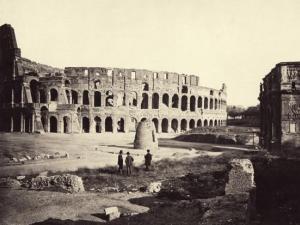
The Flavian Amphitheatre, better known as the Colosseum, is both a marvel of architecture and engineering, as well as a powerful symbol of Ancient Rome’s might and brutality.

The notoriety of this prince travelled far and wide until a well known shaikh in far away Shiraz in ancient Persia heard . “I must reform this prince before he squanders all his wealth on pomp and pleasure”, said the Shaikh to his followers. “I will travel to Samarqand and speak to him personally”. So saying, the Shaikh set off on foot for Samarqand with two of his companions.

To receive the latest topics on email directly as they are published

Comments
Send your comment