


Previous Article:
5 facts about the Colosseum
The Flavian Amphitheatre, better known as the Colosseum, is both a marvel of architecture and engineering, as well as a powerful symbol of Ancient Rome’s might and brutality.

In the 20th century, the Soviet Union made its own re-ordering of the Ukrainian jigsaw. Western Ukraine was taken by Stalin from Poland at the end of the Second World War. Crimea was transferred by Moscow to the Ukrainian republic within the USSR in the 1950s, but retains strong links with Russia, symbolised by the Russian Black Sea fleet base in Sevastopol. And Soviet rule did bind Ukraine more tightly into Russian influence than ever, often at terrible cost. Millions of Ukrainians already part of the USSR in the 1930s died in famine engineered by Stalin.
However, Soviet Moscow never dominated Ukraine culturally. Economic, political and military decisions were imposed from the centre, says Hosking, but Ukraine “did have a certain autonomy” in culture and education. While Russian was the dominant language, primary school children learned Ukrainian, many books were published in the language and, in the second half of the 20th century, “a strong Ukrainian national movement grew up in the Soviet Union of people who had been through a Ukrainian education”.
Many of those nationalists now look towards western Europe for help. And the European response is also conditioned by deeper history. Poland has been especially active, says Andrew Wilson, reflecting its close links with Ukraine as well as its old strategic desire for buffer states between Poland and Russia.
Sweden too has also been prominent in EU diplomacy, an initiative that led Putin’s government to mischievously recall the defeat of Swedish forces by Russians at the battle of Poltava in 1709. Germany also takes a close interest; its involvement, though, is tempered by memories of the appalling suffering of Ukraine, above all its Jews, at the hands of Germans during the Second World War.
So all sides try to deploy history in the battle for influence in Ukraine. Protestors in Kiev argue that western links should shape Ukraine’s modern search for democracy and prosperity. President Putin combines the rhetoric of ancient spiritual bonds with warming winter offers of cheap gas and trade deals – a reminder to its citizens, especially those in the east of the country, that they have long been dependent on Soviet-style heavy industry.
But while Putin preaches profound Russian-Ukrainian kinship, there is one link he wants to discourage. The Ukrainian protestors’ criticism of corruption, powerful oligarchs and authoritarian politicians is something he is desperate to keep as far away from Russian streets as possible. And President Yanukovych, prevented from taking office after a disputed election in 2004 when Ukrainians staged their ‘Orange Revolution’, also fears people power. Older history, suitably massaged, is much more to these presidents’ liking.
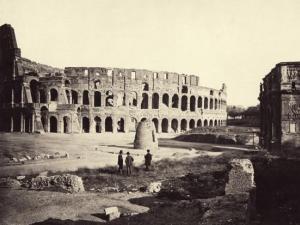
The Flavian Amphitheatre, better known as the Colosseum, is both a marvel of architecture and engineering, as well as a powerful symbol of Ancient Rome’s might and brutality.

The notoriety of this prince travelled far and wide until a well known shaikh in far away Shiraz in ancient Persia heard . “I must reform this prince before he squanders all his wealth on pomp and pleasure”, said the Shaikh to his followers. “I will travel to Samarqand and speak to him personally”. So saying, the Shaikh set off on foot for Samarqand with two of his companions.

To receive the latest topics on email directly as they are published

Comments
Send your comment