


Previous Article:
5 facts about the Colosseum
The Flavian Amphitheatre, better known as the Colosseum, is both a marvel of architecture and engineering, as well as a powerful symbol of Ancient Rome’s might and brutality.

When we think about ‘ancient Egypt’ we are usually imaginging the dynastic period; the time when Egypt was a united land ruled by a king, or pharaoh. This was the age of the pyramids, mummification and hieroglyphic writing.
The dynastic period started with the reign of Egypt’s first king, Narmer, in approximately 3100 BCE, and ended with the death of Cleopatra VII in 30 BCE. During this long period there were times of strong centalised rule, and periods of much weaker, divided rule, but basically Egypt remained one, independent land.
However, the dynastic period should be seen as part of a much longer, continuous history. Before Narmer united his kingdom, the land that was to become Egypt consisted of a series of sophisticated Neolithic city-states, supported by agricultural communities and linked together by trade. After Cleopatra’s death, Egypt was absorbed by Rome, but many of the old traditions continued.
Source:
http://www.historyextra.com/feature/ancient-egypt/when-did-ancient-egypt-start-and-end
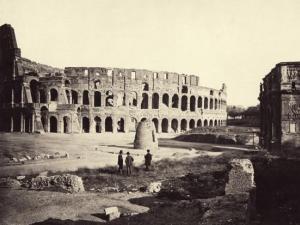
The Flavian Amphitheatre, better known as the Colosseum, is both a marvel of architecture and engineering, as well as a powerful symbol of Ancient Rome’s might and brutality.

The notoriety of this prince travelled far and wide until a well known shaikh in far away Shiraz in ancient Persia heard . “I must reform this prince before he squanders all his wealth on pomp and pleasure”, said the Shaikh to his followers. “I will travel to Samarqand and speak to him personally”. So saying, the Shaikh set off on foot for Samarqand with two of his companions.

To receive the latest topics on email directly as they are published

Comments
Send your comment