


Previous Article:
5 facts about the Colosseum
The Flavian Amphitheatre, better known as the Colosseum, is both a marvel of architecture and engineering, as well as a powerful symbol of Ancient Rome’s might and brutality.

New York’s 19th-century gang activity wasn’t limited to the rough and tumble streets of Manhattan—it also extended into the waters of the East River. The Daybreak Boys were one of the most ruthless crews of “river pirates” who preyed on the city’s booming shipping industry during the late 1840s and 1850s. As their name suggests, the Daybreakers— whose leaders went by such colorful monikers as Cow-legged Sam McCarthy and Slobbery Jim —preferred to strike in the hours before dawn. Using small rowboats, these juvenile gangsters would silently row their way alongside anchored shipping vessels. Sneaking aboard, they would steal as much cargo as they could before returning to their dinghies and escaping to a rendezvous point at a gin mill in the Fourth Ward.
To prove their mettle, prospective members were reportedly required to have already killed at least once before joining the group, and the Daybreak Boys were supposedly responsible for more than 30 murders— it wasn’t unusual for an unlucky watchman to end up with a slit throat or a fractured skull during one of their robberies. The gang reportedly fell apart in the late 1850s after a police crackdown, but not before they had claimed thousands of dollars in booty.
Formed from the remnants of several defunct Five Points outfits, the Whyos were one of the most dominant New York street gangs from the 1860s to the 1890s. The group started out as a loose collection of petty thugs, pickpockets and murderers, but by the 1880s they had graduated to more high-class crime like counterfeiting, prostitution and racketeering. As their grip on Manhattan tightened, many of the gang even opened legitimate side businesses such as casinos and saloons.
They may have masqueraded as upstanding citizens, but the Whyos were still notoriously tough customers. One hood by the name of “Dandy” Johnny Dolan supposedly carried a copper eye gouger and wore shoes outfitted with axe blades. Another Whyo called Piker Ryan was once caught with a detailed price list of all the gruesome deeds he could be hired to perform. A simple punch to the face was only two bucks, chewing off an ear cost $15 and a murder—which Ryan’s catalogue described as “doing the big job”—went for the princely sum of $100.
This legendary mob came together in the 1890s, when the Italian gangster Paul Kelly united the remaining members of the Dead Rabbits, Whyos and other Five Points gangs under his own banner. From his headquarters in the New Brighton Dance Hall, Kelly marshaled an army of 1,500 thugs in bloody turf wars with his archrivals, a Jewish gang run by the famed hood Monk Eastman. The two groups engaged in constant brawls and once even squared off in a massive gun battle under the Second Avenue elevated train line.
When they weren’t participating in Wild West-style shootouts, the Five Pointers ran widespread robbery, racketeering and prostitution rings. They also dabbled in legitimate front businesses and worked as strong-arm men for the corrupt Tammany Hall political machine. The gang’s influence eventually waned in the 1910s, but not before they had helped train the next generation of mob bosses. Among others, the Five Pointers initiated thugs like Al Capone, Lucky Luciano and Johnny Torrio into a life of organized crime.
Led by the Jewish mobster Edward “Monk” Eastman, the Eastman Gang rose to become one of New York’s most feared criminal organizations in the 1890s. As the kings of Manhattan’s Lower East Side, the 1,200 “Eastmans” raked in huge profits running brothels, protection rackets, drug rings and even murder-for-hire operations. Like their rivals in the Five Points Gang, Eastman’s boys also teamed with corrupt politicians in voter fraud. In return, the city’s crooked lawmakers turned a blind eye to the gang’s illicit activities.
A career criminal, Monk Eastman delighted in violence and was known to personally dish out beatings to his enemies. This hands-on approach proved to be his undoing in 1904, when he was arrested and jailed for a simple street mugging. With their leader behind bars, the Eastmans splintered into several smaller, less powerful factions in the 1910s. Monk Eastman later enlisted in the armed forces and forged a legendary reputation fighting in the trenches of World War I. But while he returned to New York a war hero, the former gang boss’s old life ultimately caught up with him, and he was brutally gunned down on a city sidewalk in 1920.
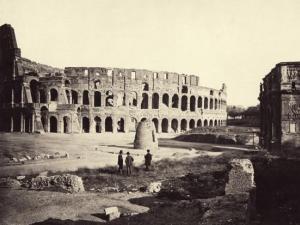
The Flavian Amphitheatre, better known as the Colosseum, is both a marvel of architecture and engineering, as well as a powerful symbol of Ancient Rome’s might and brutality.

The notoriety of this prince travelled far and wide until a well known shaikh in far away Shiraz in ancient Persia heard . “I must reform this prince before he squanders all his wealth on pomp and pleasure”, said the Shaikh to his followers. “I will travel to Samarqand and speak to him personally”. So saying, the Shaikh set off on foot for Samarqand with two of his companions.

To receive the latest topics on email directly as they are published

Comments
Send your comment