


Previous Article:
5 facts about the Colosseum
The Flavian Amphitheatre, better known as the Colosseum, is both a marvel of architecture and engineering, as well as a powerful symbol of Ancient Rome’s might and brutality.

Contrary to Marxist mythology, the First World War ended not through mutiny or popular uprising, but through decisive military defeat. Certainly, the major combatants were exhausted, and their peoples weary of the war, but the only country voluntarily to withdraw from the war was Bolshevik Russia.
Germany launched its forces into a huge offensive in France in the spring of 1918, breaking the trench deadlock and threatening Paris. The Allies regrouped, broke the German advance and counter-attacked. On 8 August, at Amiens, Haig inflicted a devastating defeat on the Germans – German general Erich Ludendorff called it the ‘Black Day of the German Army’.
Further heavy defeats followed, and by September both he and Paul von Hindenburg [a senior military figure] were demanding an end to the war. Faced with total defeat, in November the Germans forced the Kaiser to abdicate and declared a republic, which then asked for an armistice. It is difficult to conceive that this would have happened had Germany not been crushed on the battlefield.
Source:
http://www.historyextra.com/feature/first-world-war/how-did-ww1-end
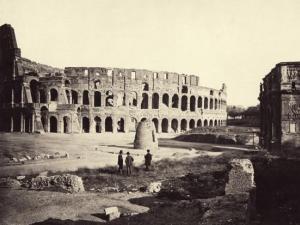
The Flavian Amphitheatre, better known as the Colosseum, is both a marvel of architecture and engineering, as well as a powerful symbol of Ancient Rome’s might and brutality.

The notoriety of this prince travelled far and wide until a well known shaikh in far away Shiraz in ancient Persia heard . “I must reform this prince before he squanders all his wealth on pomp and pleasure”, said the Shaikh to his followers. “I will travel to Samarqand and speak to him personally”. So saying, the Shaikh set off on foot for Samarqand with two of his companions.

To receive the latest topics on email directly as they are published

Comments
Send your comment