


Previous Article:
5 facts about the Colosseum
The Flavian Amphitheatre, better known as the Colosseum, is both a marvel of architecture and engineering, as well as a powerful symbol of Ancient Rome’s might and brutality.

Slavery in America began when the first African slaves were brought to the North American colony of Jamestown, Virginia, in 1619, to aid in the production of such lucrative crops as tobacco. Slavery was practiced throughout the American colonies in the 17th and 18th centuries, and African-American slaves helped build the economic foundations of the new nation. The invention of the cotton gin in 1793 solidified the central importance of slavery to the South’s economy.
By the mid-19th century, America’s westward expansion, along with a growing abolition movement in the North, would provoke a great debate over slavery that would tear the nation apart in the bloody American Civil War (1861-65). Though the Union victory freed the nation’s 4 million slaves, the legacy of slavery continued to influence American history, from the tumultuous years of Reconstruction (1865-77) to the civil rights movement that emerged in the 1960s, a century after emancipation.
In the early 17th century, European settlers in North America turned to African slaves as a cheaper, more plentiful labor source than indentured servants (who were mostly poorer Europeans). After 1619, when a Dutch ship brought 20 Africans ashore at the British colony of Jamestown, Virginia, slavery spread throughout the American colonies. Though it is impossible to give accurate figures, some historians have estimated that 6 to 7 million slaves were imported to the New World during the 18th century alone, depriving the African continent of some of its healthiest and ablest men and women.
One of the first martyrs to the cause of American patriotism was Crispus Attucks, a former slave who was killed by British soldiers during the Boston Massacre of 1770. Some 5,000 black soldiers and sailors fought on the American side during the Revolutionary War.
In the 17th and 18th centuries, black slaves worked mainly on the tobacco, rice and indigo plantations of the southern coast. After the American Revolution(1775-83), many colonists (particularly in the North, where slavery was relatively unimportant to the economy) began to link the oppression of black slaves to their own oppression by the British, and to call for slavery’s abolition. After the war’s end, however, the new U.S. Constitution tacitly acknowledged the institution, counting each slave as three-fifths of a person for the purposes of taxation and representation in Congress and guaranteeing the right to repossess any “person held to service or labor” (an obvious euphemism for slavery).
Stay tuned................
Source:
http://www.history.com/topics/black-history/slavery
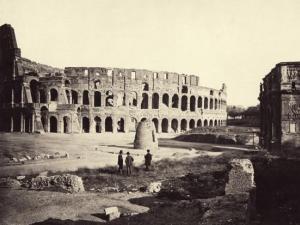
The Flavian Amphitheatre, better known as the Colosseum, is both a marvel of architecture and engineering, as well as a powerful symbol of Ancient Rome’s might and brutality.

The notoriety of this prince travelled far and wide until a well known shaikh in far away Shiraz in ancient Persia heard . “I must reform this prince before he squanders all his wealth on pomp and pleasure”, said the Shaikh to his followers. “I will travel to Samarqand and speak to him personally”. So saying, the Shaikh set off on foot for Samarqand with two of his companions.

To receive the latest topics on email directly as they are published

Comments
Send your comment