


Previous Article:
5 facts about the Colosseum
The Flavian Amphitheatre, better known as the Colosseum, is both a marvel of architecture and engineering, as well as a powerful symbol of Ancient Rome’s might and brutality.
 The New York Public Library_0_0.jpg)
One of the most widely held misconceptions about the declaration is that it was signed on 4 July 1776 by all the delegates in attendance, says the US National Archives and Records Administration.
In fact the document was signed on 2 August after being engrossed (prepared in a large, clear hand), most likely by Pennyslvanian Timothy Matlack. Delegates did indeed vote to adopt the declaration on 4 July, however
• Jefferson was troubled by the alterations to his text, says the NYPL, so in July 1776 he made several copies of the complete text, highlighting where changes were made, and sent them to five or six friends. Of these copies, only two complete versions are known to have survived: one is owned by the NYPL, and a second is now owned by the American Philosophical Society. The Massachusetts Historical Society owns a fragment of another copy
• It has been suggested, though never proved, that the NYPL’s copy of the Declaration of Independence is the one Jefferson sent to his former law professor and mentor, George Wythe
• A handful of delegates who voted for the adoption of the declaration on 4 July never signed it, despite an order of Congress on 19 July that the engrossed document “be signed by every member of Congress”. Non-signers included Robert R Livingston, one of the Committee of Five (who wrote the declaration), who thought the declaration was premature, and John Dickinson, who hoped for reconciliation with Britain
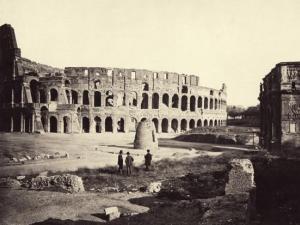
The Flavian Amphitheatre, better known as the Colosseum, is both a marvel of architecture and engineering, as well as a powerful symbol of Ancient Rome’s might and brutality.

The notoriety of this prince travelled far and wide until a well known shaikh in far away Shiraz in ancient Persia heard . “I must reform this prince before he squanders all his wealth on pomp and pleasure”, said the Shaikh to his followers. “I will travel to Samarqand and speak to him personally”. So saying, the Shaikh set off on foot for Samarqand with two of his companions.

To receive the latest topics on email directly as they are published

Comments
Send your comment