


Previous Article:
5 facts about the Colosseum
The Flavian Amphitheatre, better known as the Colosseum, is both a marvel of architecture and engineering, as well as a powerful symbol of Ancient Rome’s might and brutality.

For more than six weeks in the spring and summer of 1863, the residents of Vicksburg, Mississippi, weathered starvation, scurvy and constant bombardment by Union artillery and gunboats as Ulysses S. Grant’s men laid siege to the crucial Confederate defenses. Cut off from all supplies or reinforcements, the besieged city was forced into a painful choice: suffer through starvation, thirst and disease, or admit defeat. While most cities struggle to live under siege for more than a few weeks, some have managed to endure these extreme deprivations for months, years and even decades. Get the facts on seven of the most prolonged standoffs in military history.
Siege of Megiddo
One of the first recorded military engagements in history, the Battle of Megiddo also resulted in a grueling, months-long siege. The standoff came in the 15th century B.C., when the Egyptian Pharaoh Thutmose III led his forces into modern day Palestine to quell a rebellion by a coalition of Mesopotamian city-states. According to Egyptian military histories, the two armies faced off outside the city of Megiddo in a bloody clash of infantryman and charioteers, with the pharaoh himself supposedly fighting on the front lines. But while the Egyptians routed the coalition forces, they wasted time looting an enemy encampment and allowed the Asiatic army to fall back to the safety of the city’s fortifications.
Undeterred, Thutmose set up siege lines and cut off all traffic in and out of the city. The stranglehold lasted for seven brutal months until—reeling from starvation and disease—the town’s leaders sent out their young sons and daughters to beg for peace. Having pacified the surrounding region, Thutmose spared Megiddo in exchange for a vow of loyalty from the city’s survivors.
Siege of Vicksburg
Along with the Battle of Gettysburg, the Siege of Vicksburg stands as one of the major turning points in the Civil War. The deadlock began in May 1863, when Union General Ulysses S. Grant trapped Confederate forces under John C. Pemberton within the town of Vicksburg, Mississippi. After probing the Confederate lines in a pair of unsuccessful assaults, Grant reluctantly ordered his men to dig trenches and lay siege to the city.
Desperate to avoid the carnage, many of the city’s civilians were forced to take refuge in a network of clay caves that became known as the “Prairie Dog Village.” In an effort to break the standoff, Grant’s forces eventually dug a tunnel and detonated mines under the city’s fortifications. While the outnumbered Southerners managed to hold their lines and seal the breach, their victory proved short-lived. Without reinforcements and with only meager supplies, Pemberton finally capitulated on July 4. With the fall of Vicksburg, Union forces took full control of the Mississippi River, effectively splitting the Confederacy in half for the rest of the war.
stay tuned.................
Source:
http://www.history.com/news/history-lists/7-brutal-sieges
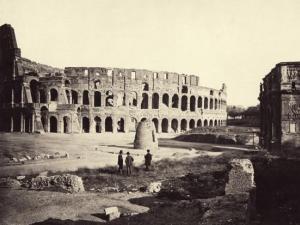
The Flavian Amphitheatre, better known as the Colosseum, is both a marvel of architecture and engineering, as well as a powerful symbol of Ancient Rome’s might and brutality.

The notoriety of this prince travelled far and wide until a well known shaikh in far away Shiraz in ancient Persia heard . “I must reform this prince before he squanders all his wealth on pomp and pleasure”, said the Shaikh to his followers. “I will travel to Samarqand and speak to him personally”. So saying, the Shaikh set off on foot for Samarqand with two of his companions.

To receive the latest topics on email directly as they are published

Comments
Send your comment