


Previous Article:
5 facts about the Colosseum
The Flavian Amphitheatre, better known as the Colosseum, is both a marvel of architecture and engineering, as well as a powerful symbol of Ancient Rome’s might and brutality.

Early on the morning of 9 February 1855, people in towns across southern Devon awoke to find a single line of hoof-like marks in the deep snow as if they had been branded with a hot iron. The Times said the marks were found over a distance of 40 miles on both sides of the Exe, as if “some strange and mysterious animal endowed with the power of ubiquity” had created them during the night.
Explanations ranged from an escaped kangaroo, badgers and mice, to a balloon trailing a horseshoe-shaped grappling rope. Superstitious people preferred to believe they were the work of the devil himself. In its summary of the popular theories at the time, a writer in The Illustrated London News said “no satisfactory solution” had been found, and “no known animal could have traversed this extent of country in one night… neither does any known animal walk in a line of single footsteps, not even a man”.
This piece of linen cloth kept in the Cathedral of St John the Baptist in Turin, northern Italy, is one of the most closely investigated objects in human history, yet it retains its secrets. The sacred relic is believed by many Christians to be the shroud in which Jesus of Nazareth was buried.
There is no doubt that it bears a negative imprint of the face and outline of the body of a man who has suffered injuries consistent with crucifixion, but scientists have been unable to reach a consensus about how it was created. Radiocarbon testing by three laboratories in 1988 dated the cloth to the Middle Ages, and this was proclaimed by some as proof it was a medieval fake. But this interpretation remains the subject of intense debate, leading a former editor of Nature, Philip Ball, to declare that the relic remains shrouded in mystery.
In 2012 the skeleton of the last Plantagenet king of England, Richard III, was unearthed from beneath a council car park on the site of Greyfriars in Leicester city centre. The dig that unearthed his remains was instigated by Philippa Langley of the Richard III Society as a direct result of a “strange feeling” she had when visiting the site.
This apparent example of psychic archaeology is not the only mystery that surrounds Richard’s life and death. His precise role in the fate of his two nephews – popularly known as ‘The princes in the Tower’ – remains a subject of enduring mystery. The 12-year-old Edward and his nine-year-old brother, Richard of Shrewsbury, the sons of King Edward IV, were lodged in the Tower of London by their uncle, Richard, at the time of their disappearance in 1483.
No one knows exactly what happened to them, but a box containing two small human skeletons was found near the White Tower in the 17th century and, at the time, was widely believed to be the remains of the princes.
stay tuned.........................
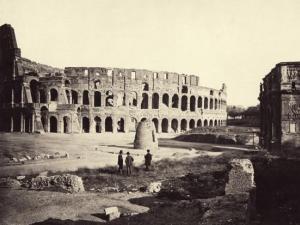
The Flavian Amphitheatre, better known as the Colosseum, is both a marvel of architecture and engineering, as well as a powerful symbol of Ancient Rome’s might and brutality.

The notoriety of this prince travelled far and wide until a well known shaikh in far away Shiraz in ancient Persia heard . “I must reform this prince before he squanders all his wealth on pomp and pleasure”, said the Shaikh to his followers. “I will travel to Samarqand and speak to him personally”. So saying, the Shaikh set off on foot for Samarqand with two of his companions.

To receive the latest topics on email directly as they are published

Comments
Send your comment